Things to Do in Brașov Old Town — A Local's Guide
From the Black Church and Piața Sfatului to hidden courtyards and the best coffee on Strada Republicii — everything worth doing within walking distance of the historic centre.
Brașov's old town is one of the best-preserved medieval city centres in Central Europe — compact enough to explore entirely on foot, yet rich enough to fill several days without repeating yourself. The historic centre sits in a natural bowl between Tâmpa Mountain and the Transylvanian Alps, giving it a distinctly enclosed, almost theatrical quality that sets it apart from other Romanian cities. Whether you have a single afternoon or a long weekend, this guide covers everything worth doing in and around the old town — written from the perspective of people who live here.
Piața Sfatului — The Heart of the Old Town
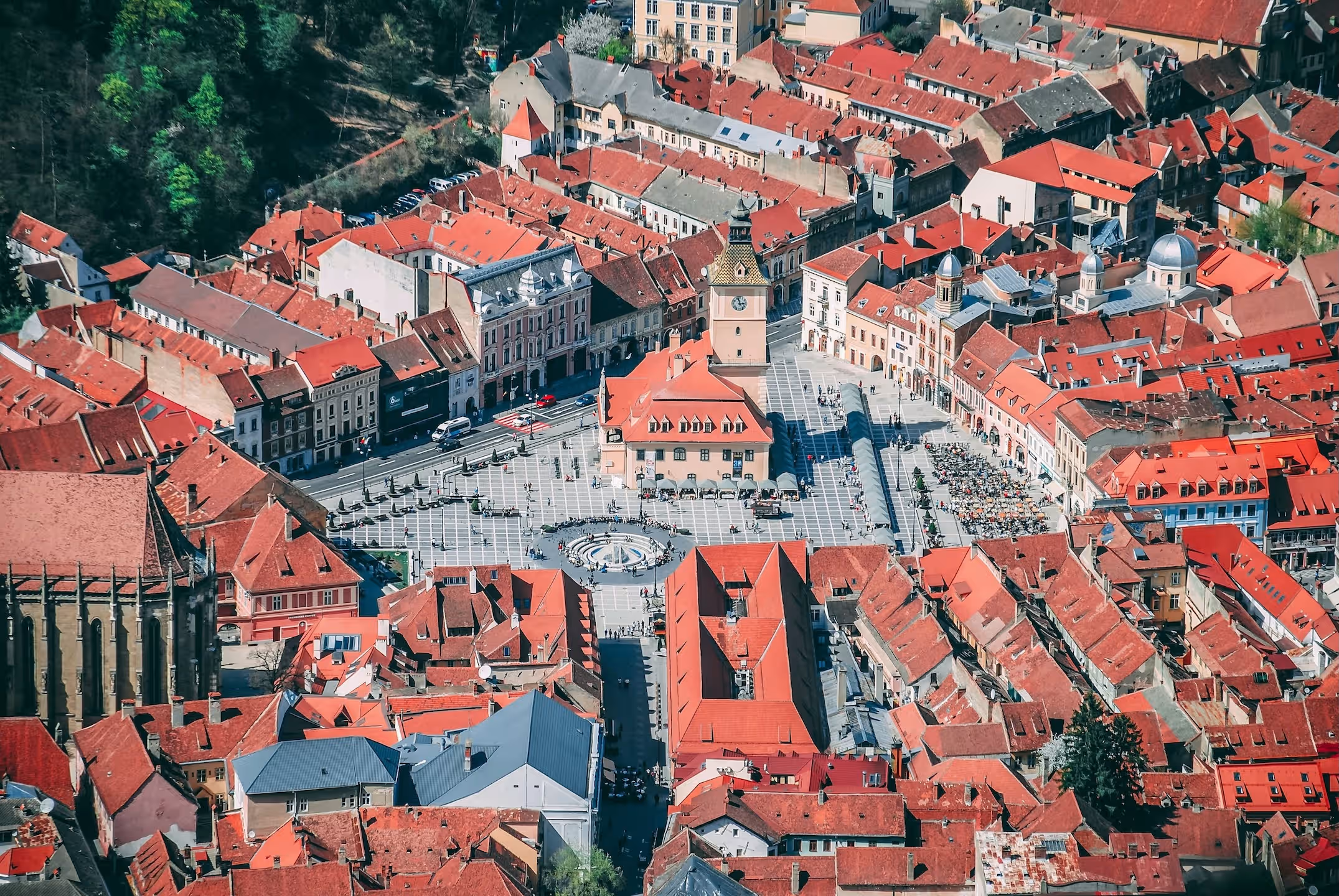
Every visit to Brașov old town begins and ends at Piața Sfatului — Council Square — the main medieval square at the centre of the historic district. Surrounded by colourful Baroque and Gothic facades, the square has been the commercial and civic heart of the city since the 13th century. At its centre stands the Council House, a 15th-century building with a distinctive tower that now houses the Brașov History Museum. Entry costs around 15 RON and the small permanent collection gives good context for the city's Saxon origins.
The square is at its best in the early morning before the tour groups arrive, and again in the evening when the buildings are lit and the cafés spill out onto the cobblestones. In December it hosts one of Romania's most atmospheric Christmas markets, and in summer it becomes the venue for outdoor concerts and festivals. From our rooms on Strada Michael Weiss, Piața Sfatului is a 2-minute walk — you will pass through it multiple times a day without planning to.
The Black Church — Brașov's Most Iconic Landmark
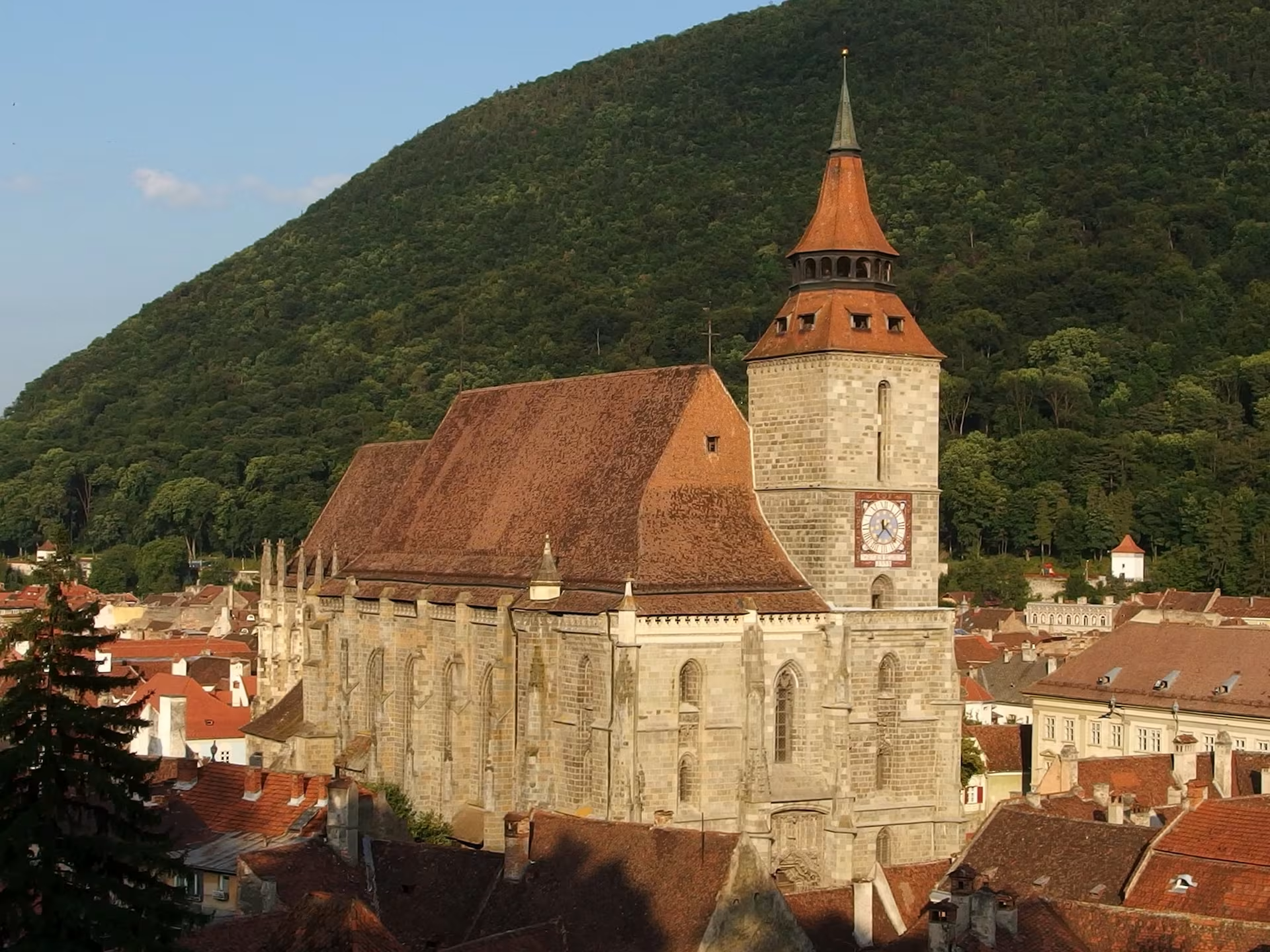
Standing at the southern edge of Piața Sfatului, the Black Church — Biserica Neagră — is the largest Gothic church in Romania and the dominant landmark of the Brașov skyline. Construction began in 1383 and the building took nearly a century to complete. Its current dark appearance is traditionally attributed to a great fire in 1689 that damaged much of the city, though the name "Black Church" only came into use in the 19th century. Inside, the church houses an extraordinary collection of around 119 Anatolian carpets on display, donated by Saxon merchants in the 17th and 18th centuries — one of the largest such collections in Europe.
Entry costs around 20 RON for adults and includes access to the main nave. The church also hosts organ concerts on selected evenings in summer — tickets cost 30–40 RON and the acoustics are exceptional. The concert schedule varies by year and is posted at the entrance and on the church's official website. Even if you visit only once, attend an evening concert if the timing works — it is one of the most memorable experiences the old town offers.
The Black Church organ concerts on summer evenings are among the best experiences in Brașov old town — tickets sell out, so check the schedule as soon as you arrive.
Strada Republicii — The Main Pedestrian Street
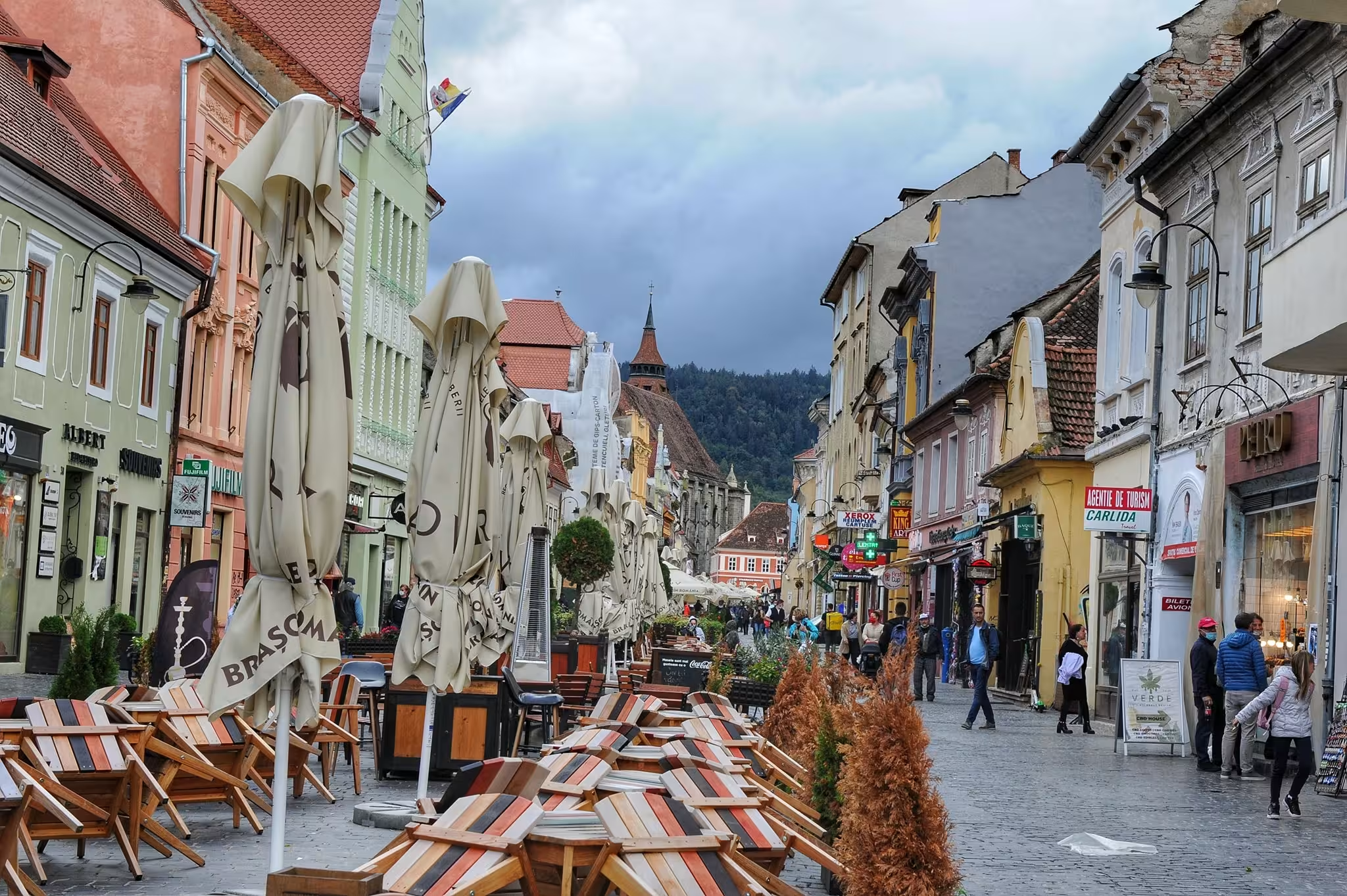
Strada Republicii is the main pedestrian artery of Brașov old town, running north from Piața Sfatului through the historic centre. Lined with 18th and 19th-century townhouses converted into shops, cafés, restaurants and boutiques, it is the liveliest street in the city and the place most visitors gravitate to naturally. The street connects the old town to the newer commercial centre and is busy from mid-morning until late evening.
For coffee, Beans & Dots and Gustavo Coffee are both on or just off Strada Republicii and consistently serve some of the best espresso in the city. For a sit-down lunch, the side streets branching off Republicii have better value restaurants than those directly on the main drag — a pattern consistent with most tourist centres. Strada Mureșenilor and Strada Apollonia Hirscher are both worth exploring on foot.
The Bastions and Medieval Fortifications
Brașov's medieval city walls and bastions are among the best preserved in Romania, and largely overlooked by visitors who stick to the main square. The old town was fortified by Saxon settlers from the 13th century onwards, with each guild responsible for defending a specific section of the walls — hence names like the Weavers' Bastion, the Rope Makers' Bastion and the Blacksmiths' Tower. Walking the old fortification route around the perimeter of the historic centre takes about 45 minutes and gives a completely different perspective on the city.
The Weavers' Bastion on Strada Coșbuc is the best-preserved and most accessible, housing a small museum with a remarkable scale model of medieval Brașov. Entry costs 10 RON. The bastion sits directly against the cliff face below Tâmpa Mountain, and the combination of medieval stone walls, dense forest above and the mountain rising immediately behind is one of the most visually striking spots in the city — and one of the least photographed.
Tâmpa Mountain — The Hike From the Old Town
Tâmpa Mountain rises directly behind the old town to 960 metres, and the trailhead is a 10-minute walk from Piața Sfatului. The mountain is forested and crisscrossed with marked hiking trails, with the main summit route taking around 45–60 minutes on foot. At the top, the famous BRAȘOV letters — similar in concept to the Hollywood sign — are visible from much of the city below, and the view back down over the old town and the Transylvanian plateau beyond is exceptional.
For those who prefer not to hike, the Tâmpa cable car — telecabina Tâmpa — runs from the base station near the Weavers' Bastion to near the summit. A return ticket costs 25 RON for adults and the journey takes around 4 minutes each way. The cable car operates daily from around 9:30am to 5pm, with extended hours in summer. The viewing platform at the top has a small café and on clear days you can see the entire arc of the Bucegi and Piatra Craiului mountain ranges.
Schei District — The Romanian Quarter
Immediately south of the old town through the Schei Gate lies the Schei district — the historic Romanian quarter of Brașov, physically separated from the Saxon old town by the city walls until the 19th century. Schei has a completely different character to the main historic centre: quieter, less touristic, with narrow streets, Orthodox churches and wooden houses climbing the hillside. The first Romanian school in Transylvania was established here in 1495, and the school building — now the First Romanian School Museum — is one of the most historically significant sites in the country.
The Schei district rewards a slow afternoon wander. Saint Nicholas Church — one of the oldest Orthodox churches in Transylvania — sits at the centre of the neighbourhood on Piața Unirii. Entry to both the church and the adjacent school museum costs around 15 RON combined. The district is a 15-minute walk from Piața Sfatului through the Schei Gate, one of the original medieval city gates still standing.
Strada Michael Weiss and the Side Streets
The pedestrian streets immediately around Piața Sfatului — Strada Michael Weiss, Strada Mureșenilor, Strada Hirscher and Strada Apollonia Hirscher — are the most atmospheric parts of the old town and the area where the medieval character of Brașov is best preserved. Strada Michael Weiss in particular runs along the western side of the square and is named after the 16th-century mayor of Brașov who negotiated the city's autonomy during the Ottoman period. The street is entirely pedestrianised, lined with restored 18th and 19th-century townhouses, and almost entirely free of the souvenir shops that crowd the main tourist routes.
The streets immediately around Piața Sfatului are best explored in the early morning or late evening — the light is better, the crowds are thinner, and the medieval character of the old town is far more apparent.
Practical Information for Visiting Brașov Old Town
The old town is entirely pedestrianised and compact — almost everything mentioned in this guide is within a 15-minute walk of Piața Sfatului. Comfortable walking shoes are essential as the cobblestone streets, while beautiful, are uneven. Most museums and attractions are open Wednesday to Sunday, closed Monday and Tuesday. The Black Church is a notable exception with slightly different hours — check at the entrance for the current schedule. Entry prices are generally very affordable by Western European standards — budget 50–100 RON (€10–20) per person for a full day of paid attractions.
Staying in the old town itself rather than in the newer parts of the city makes an enormous difference to the experience — being able to step outside and be immediately in the historic centre, walk to a restaurant in 3 minutes, and return on foot after an evening concert is what makes Brașov special. Our rooms on Strada Michael Weiss are at the centre of everything described in this guide — every attraction mentioned is within walking distance, and most are under 10 minutes on foot.
Staying in Brașov? We're steps from the Old Town.
Four boutique rooms on Strada Michael Weiss — book now for the best rate.
You might also like
Where to Eat Near Piața Sfatului — Our Guests' Favourites
The restaurants, cafés and bakeries our guests return to again and again — all within a short walk of Strada Michael Weiss, tried and tested by people who actually stayed here.
The Perfect 48 Hours in Brașov — A Complete Weekend Itinerary
Friday evening to Sunday afternoon — exactly how to spend a weekend in Brașov if you want to see the old town, climb Tâmpa, visit a castle and still have time for good food.
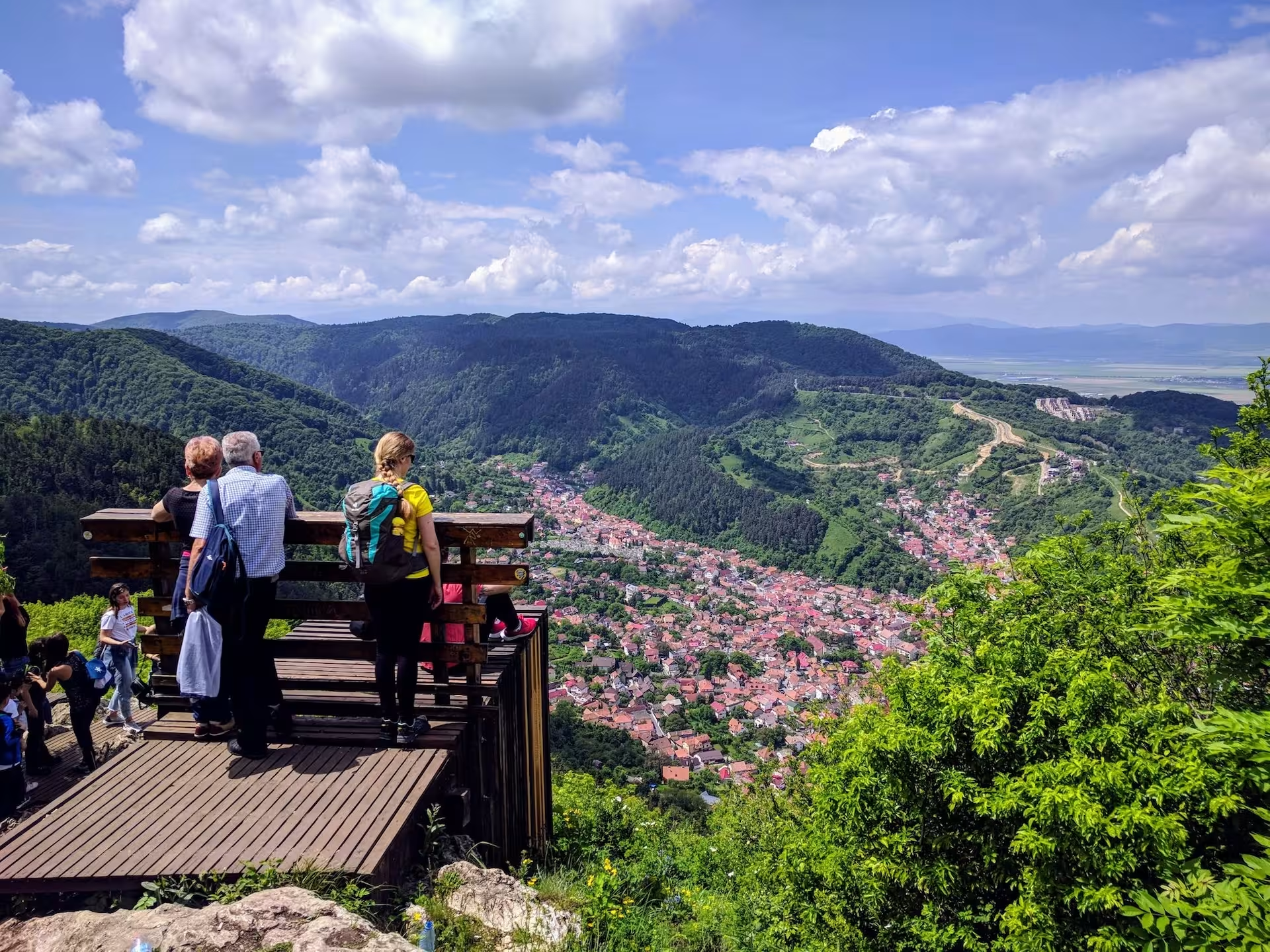
Hiking Tâmpa Mountain from Brașov Old Town — Routes, Tips and Views
The trailhead is a 10-minute walk from Piața Sfatului. Here's everything you need to know about hiking Tâmpa — the two main routes, how long it takes, what to bring, and why the view from the BRAȘOV letters is worth every step.