Bucharest to Brașov — Every Way to Get Here
Train, bus, car or rideshare — a practical, up-to-date guide to every way of reaching Brașov from Bucharest, with timings, costs and local tips.
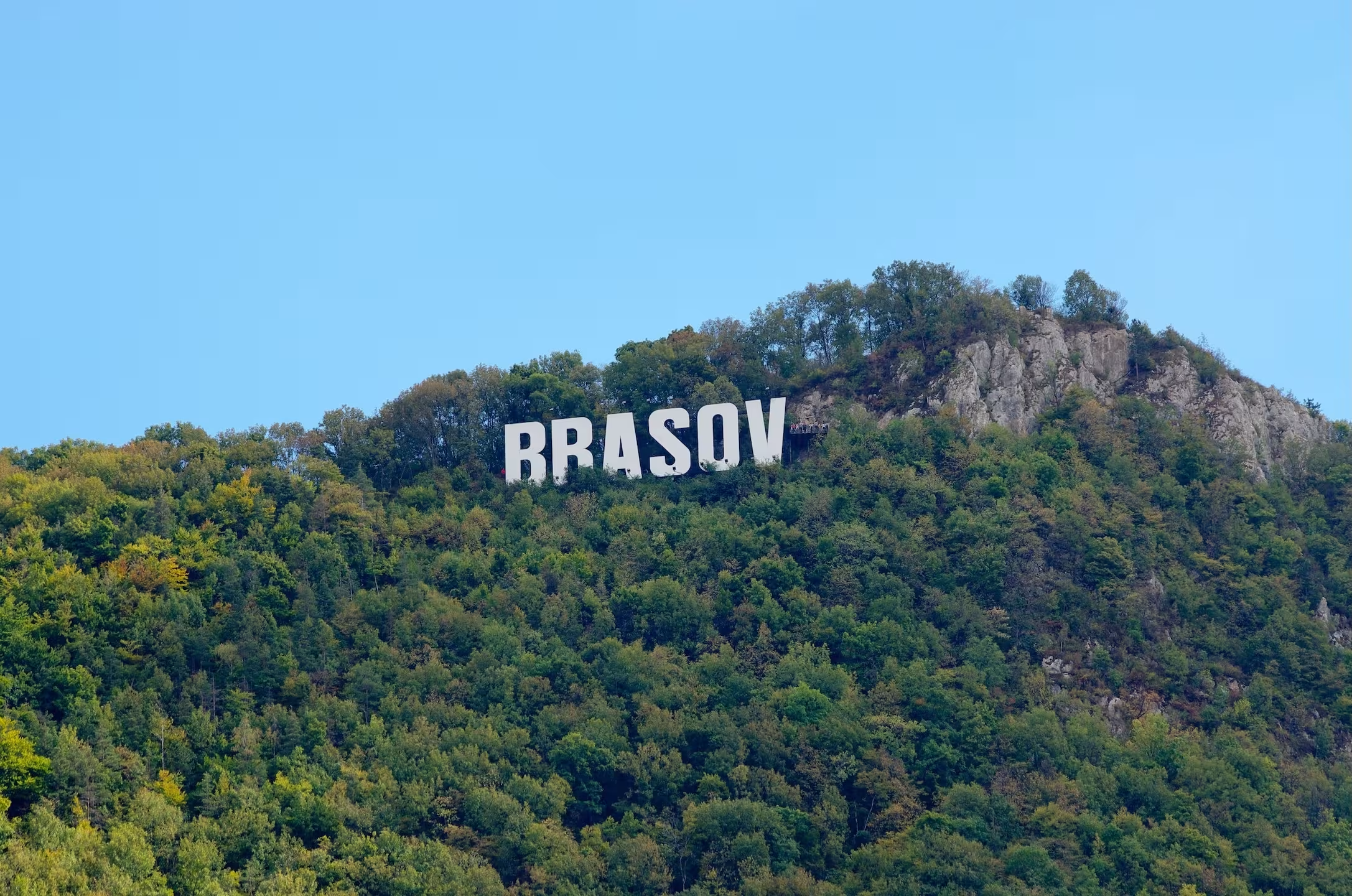
Brașov is one of the most visited cities in Romania, and for good reason — the medieval old town, the surrounding Carpathian peaks, and easy access to castles and ski slopes make it a near-perfect destination for a weekend away from Bucharest. The two cities are roughly 166km apart, and the journey takes between 2.5 and 3.5 hours depending on how you travel. The good news: every option is straightforward, affordable, and runs frequently enough that you rarely need to plan more than a day in advance.
By Train — The Most Comfortable and Scenic Option
The train is the classic way to reach Brașov from Bucharest, and it remains the best overall option for most travellers. CFR Călători operates around 10 direct services per day from Bucharest Gara de Nord to Brașov station, running roughly every 1–2 hours from early morning until late evening. The journey on an InterCity or InterRegio service takes 2h30 to 2h45 — fast enough to make it a genuine day trip if needed.
Ticket prices vary by service and how far in advance you book. A standard second-class seat on an InterCity train costs around 60–80 RON (approximately €12–16) booked online. First class is available for around 90–120 RON and is genuinely worth it for the extra space on a longer journey. Tickets can be booked at cfrcalatori.ro, at any CFR station ticket window, or through the Bilet Tren app on your phone. Booking the day before or the morning of travel is usually fine on weekdays, but weekend trains — especially Friday evenings and Sunday afternoons in summer and ski season — fill up fast. Book 2–3 days ahead if you are travelling on a busy weekend.
The route itself is one of the most scenic rail journeys in Romania. After leaving Bucharest, the train crosses the Wallachian plain before climbing steadily into the Carpathians through the Prahova Valley — passing through Sinaia, Bușteni and Predeal before descending into the Brașov basin. If the weather is clear, the mountain section between Sinaia and Brașov is spectacular. Sit on the left side of the train travelling from Bucharest for the best views.
By Bus — The Cheapest Option
Several bus operators run direct services between Bucharest and Brașov for significantly less than the train. FlixBus is the most well-known internationally, with tickets from as little as 25–40 RON (€5–8) booked in advance. Romanian operators including Touring Sibiu, Atlassib and AutocarRo also run frequent services, often departing from Autogara Filaret near Piața Unirii in central Bucharest or from the Henri Coandă International Airport — useful if you are flying in and heading straight to Brașov without stopping in the capital.
Journey times by bus are similar to the train at 2.5–3 hours under normal conditions, but buses use the DN1 national road and the A3 motorway — a route that is notoriously congested on Friday afternoons, during Romanian public holidays, and on any weekend when half of Bucharest decides to head to the mountains simultaneously. In heavy traffic, the journey can stretch to 4 hours or more. If you are travelling on a Friday evening or a holiday weekend, the train is the more reliable choice. For mid-week travel or weekend mornings, buses are a perfectly good and significantly cheaper option.
By Car — The Most Flexible Option
Driving from Bucharest to Brașov takes approximately 2.5 hours in light traffic via the A3 motorway to Ploiești and then the DN1 through the Prahova Valley. Google Maps tends to underestimate this journey at certain times of day — budget 3 hours on any Friday afternoon or long weekend, and consider departing before 7am or after 8pm to avoid the worst of it.
A Romanian motorway vignette (rovinietă) is required to drive on national roads and motorways — this costs around 40 RON for 7 days or 100 RON for 30 days and can be purchased online at roviniete.ro, at petrol stations, or at border crossings. Fuel costs for the round trip work out to approximately 200–280 RON (€40–55) for an average car, making driving most economical when shared between 3–4 people.
Parking in Brașov's old town is limited and paid. The most convenient options near the historic centre are Parcarea Sfatului (underground, beneath Piața Sfatului, around 5 RON/hour) and several surface car parks just outside the pedestrian zone. If you are staying on Strada Michael Weiss, you are in the heart of the pedestrianised area — the closest parking is a 3–5 minute walk away. Ask your accommodation for the specific nearest option when you book.
By Rideshare — The Social and Flexible Option
BlaBlaCar has a very active Bucharest–Brașov route with dozens of daily departures, especially on weekends. Prices typically range from 40–70 RON (€8–14) per seat, sitting between bus and train in cost. The app is straightforward to use and the booking process is identical to anywhere else in Europe. Most drivers leave from central Bucharest or from the northern ring road, and many will accommodate pick-ups along the way.
The main consideration with BlaBlaCar is flexibility — departure times are fixed by the driver and last-minute cancellations do happen. For a relaxed Friday evening departure with no time pressure it works well; for a Sunday afternoon return when you need to catch a specific connection, the train is more reliable. Check the app 1–2 days before your travel date for the best selection.
Getting from Brașov Station to the Old Town
Brașov train station and the main bus terminal are located around 2km northeast of the historic centre — close enough to walk in 25 minutes if you have light luggage, or a quick 10-minute ride by public transport. Bus lines 51 and 52 run from the station directly to Piața Sfatului in the heart of the old town; a ticket costs 3 RON and can be purchased from the driver or at the station kiosk. Bolt and Uber operate in Brașov and a ride from the station to the old town costs 15–25 RON depending on time of day.
If you are staying on Strada Michael Weiss — which runs directly off Piața Sfatului — you are less than a 5-minute walk from the centre of everything once you arrive in the old town. From the station bus stop at Piața Sfatului, turn left past the Black Church and you are there in under 2 minutes.
Quick Comparison
Train: 2h30–2h45, 60–80 RON second class, best for reliability and scenery. Bus: 2h30–3h30 (traffic dependent), 25–50 RON, best for budget travel mid-week. Car: 2h30–3h30 (traffic dependent), 200–280 RON total fuel, best for groups or flexibility. BlaBlaCar: 2h30–3h, 40–70 RON, best for solo travellers who book a day or two ahead. Whichever you choose, Brașov is an easy and well-connected destination from Bucharest — the journey itself, especially by train through the Prahova Valley, is very much part of the experience.
Staying in Brașov? We're steps from the Old Town.
Four boutique rooms on Strada Michael Weiss — book now for the best rate.
You might also like
The Best Day Trips from Brașov — Castles, Mountains and Villages
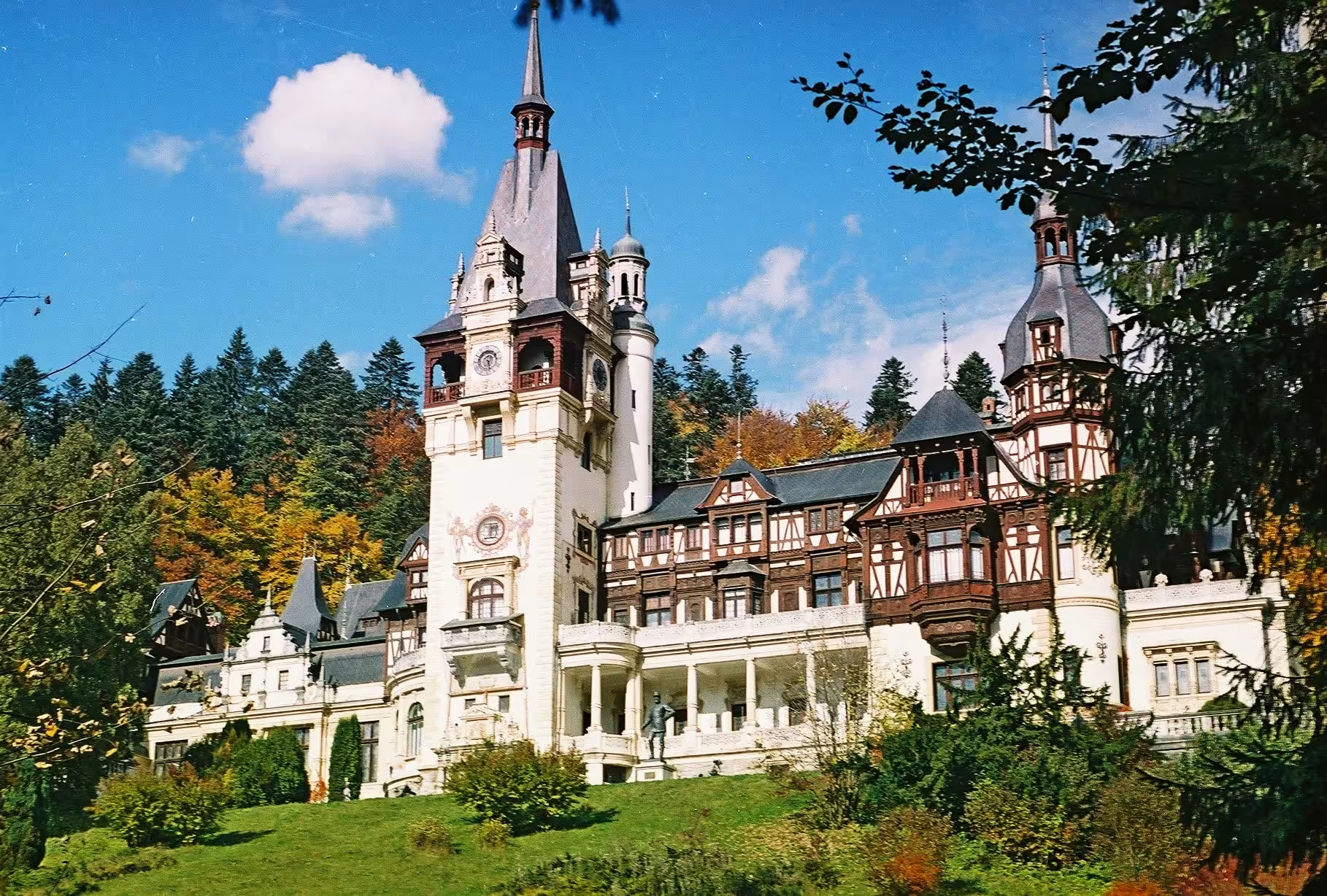
Peleș Castle, Bran, Râșnov Fortress, Sinaia and the Saxon villages of Transylvania — everything reachable in a day from Brașov's old town, with practical transport info.
The Perfect 48 Hours in Brașov — A Complete Weekend Itinerary
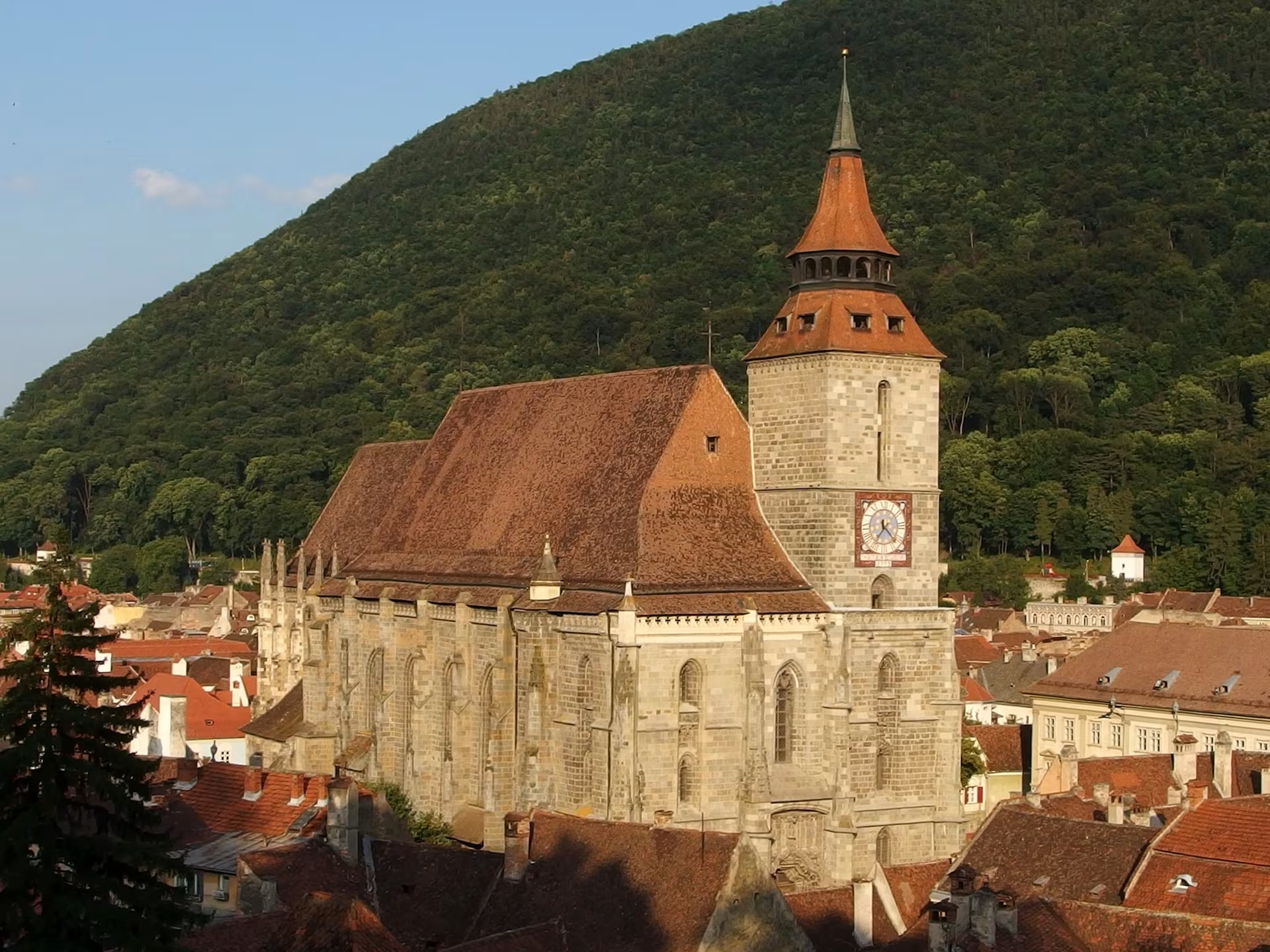
Friday evening to Sunday afternoon — exactly how to spend a weekend in Brașov if you want to see the old town, climb Tâmpa, visit a castle and still have time for good food.
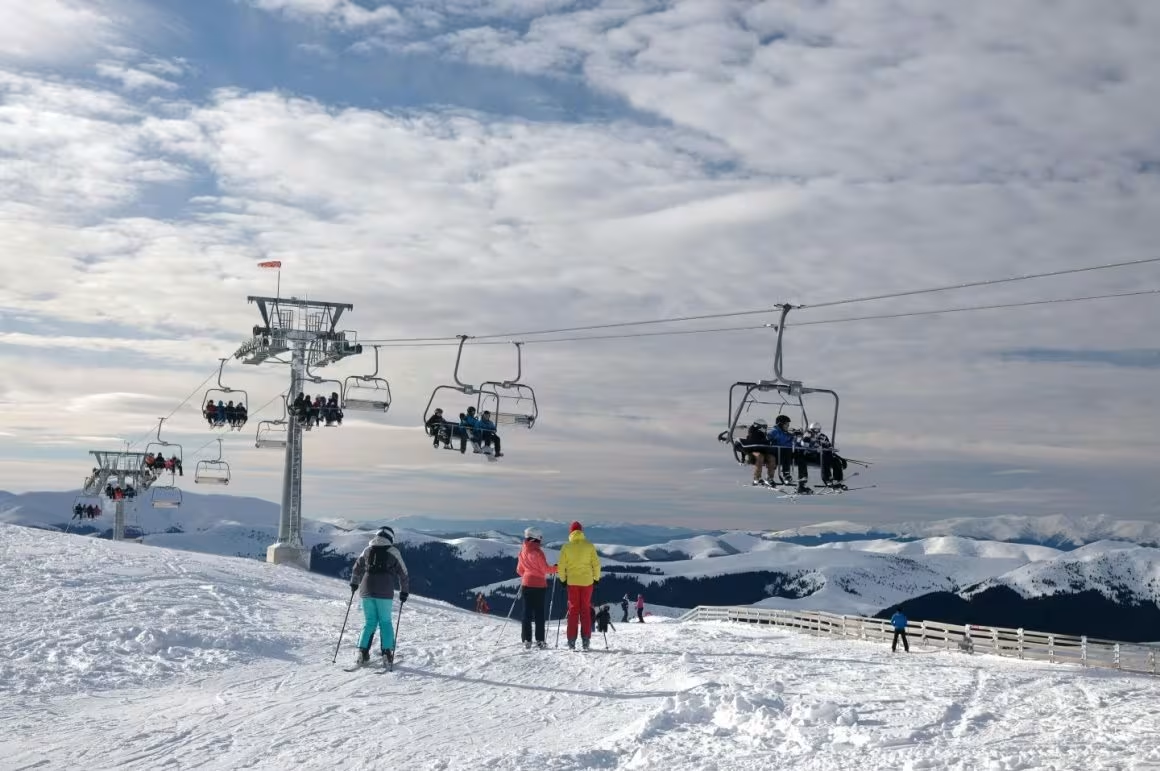
Brașov vs Sinaia — Which Should You Visit?
Both are mountain towns with castles, history and ski resorts within easy reach of Bucharest. Here's an honest comparison to help you decide — or make the case for visiting both.